Russian Student Visa for Indian Students: Step-by-Step for Kerala Families
A Russian student visa is issued only after your university gets an electronic invitation for you, and a university we checked says that takes 25 to 45 days. This post lists the steps in order, the documents, the HIV and health certificate, where applicants from Kerala apply, and the points where the official page was not readable and you must confirm with the university or the consulate.
In short: the Russian student visa is an invitation-based visa. After admission, your university requests an electronic invitation for you. It takes 25 to 45 calendar days according to Lomonosov Moscow State University's guidance for applicants, and other universities give similar figures. You then take the printed invitation, a passport valid for at least 18 months, a medical certificate showing no HIV, tuberculosis or syphilis, and the visa form to a Russian visa centre or consulate. Processing can take up to two weeks. Kerala is in the jurisdiction of the Russian Consulate General in Chennai. We could not open the Russian embassy's own fee schedule, so we do not quote a consular fee as fact.
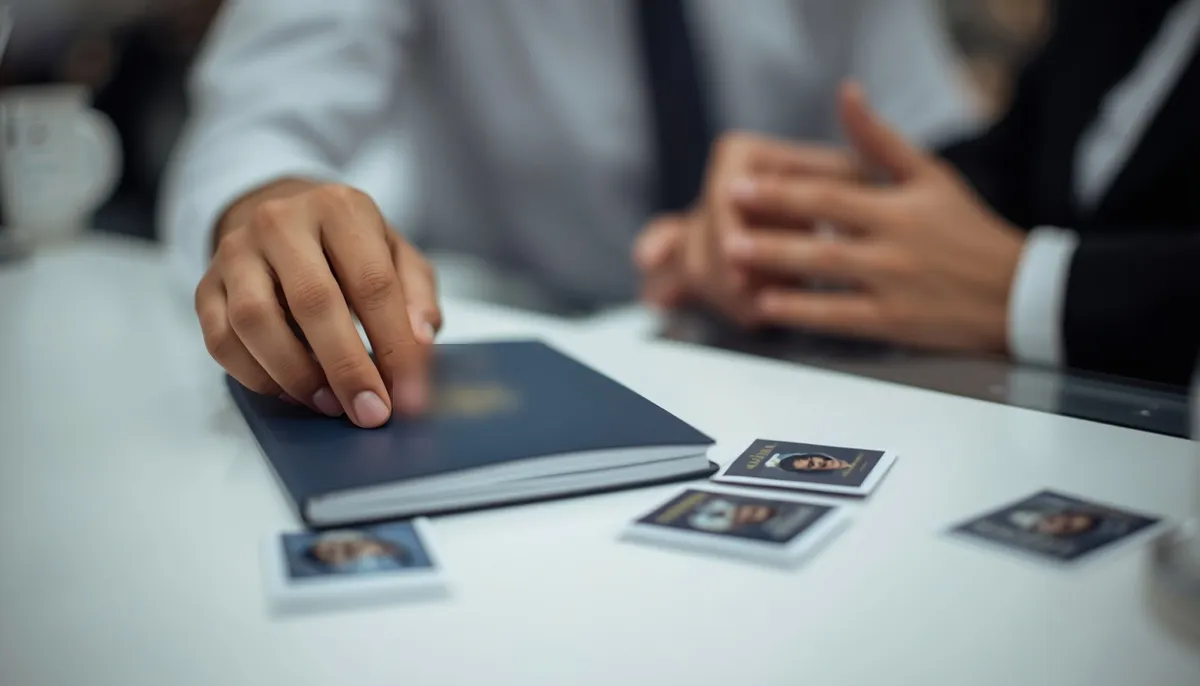
How the Russian student visa for Indians works
You cannot apply for a Russian student visa on your own. A tourist or e-visa is not a way to enter for a six-year course. Russia issues an ordinary educational visa on the basis of an invitation, and the invitation is requested by the university where you are admitted. The Russian embassy in Denmark describes the rule on its own visa page: the invitation is issued by the Ministry of Internal Affairs on application from the host Russian institution, and the applicant submits a copy. The same logic applies to Indian applicants. This is also why the Ministry of External Affairs advises students to deal directly with the university and not to hand passports and original certificates to an agent.
The steps below follow Lomonosov MSU's pre-arrival page, which is one of the clearer university descriptions, and the visa pages of Russian missions abroad. Procedures at your own university may differ in small ways, so treat this as the pattern, not the exact rule for every university.
| Step | Who does it | Time given by the source |
|---|---|---|
| 1. Admission and contract with the university | You and the university | Before anything else |
| 2. Send the application form, signed consent for personal data and scans of the first two pages of the passport | You, to the international office | Same week as admission |
| 3. Electronic invitation issued | University and the Russian authorities | 25 to 45 calendar days, depending on the country of departure (Lomonosov MSU) |
| 4. Medical certificate (HIV, tuberculosis, syphilis) | You, at a clinic in India | Do it close to the visa date; see the rules below |
| 5. Visa application at a visa centre or consulate | You, with an appointment | Processing up to 2 weeks (Lomonosov MSU) |
| 6. Check the details on the visa and send a scan to the university | You | Before you book flights |
If you add the numbers, plan for at least two to three months from the day you send the form to the day the visa is in your passport, and more if you ask for a particular appointment slot in Chennai. Do not buy flights before the visa is in your hand and the dates are checked.
Documents for the visa
- Passport. Lomonosov MSU asks for validity of at least 18 months from the visa start date and at least four pages, including two consecutive blank pages. The Russian embassy in Denmark asks for six months beyond the visa expiry, but universities ask for more, so follow the university. If your passport expires in less than two years, renew it before you start.
- Invitation. The printed copy of the electronic invitation. Your name, date of birth and passport number on it must match the passport exactly. Ask the international office to send you the invitation as soon as it is issued so that you can check it.
- Visa form. The electronic form is filled in on the Consular Department's website, visa.kdmid.ru, and printed. The embassy in Denmark warns that forms prepared for a visa centre are not accepted for its own counter, so use the form your own centre asks for.
- Photograph. One colour photo of 35 x 45 mm on a light background, as the Russian embassy in Denmark states. Your centre may specify differently.
- Medical insurance. Russian missions generally ask for insurance covering the stay. Ask your university whether it provides its own policy; Kazan State Medical University's price page, for example, lists insurance at 6,000 roubles a year.
- Medical certificate. See the next section.
HIV test and health certificate
Every source we read agrees that a student needs a certificate that the applicant has no HIV infection. Lomonosov MSU asks for a medical certificate on the absence of HIV, tuberculosis and syphilis. The Russian embassy in Denmark states that all applicants, including children, need a certificate on official medical letterhead showing a negative HIV test. Other university instructions that we saw only in search excerpts say the test must be done not earlier than three months before the application and the certificate must be in Russian and English, but the requirement differs between missions, and the Lomonosov MSU page does not give a validity period.
So the sensible approach is practical:
- Ask the university's international office, in writing, for the exact certificate format, the language and the maximum age of the test on the day you apply.
- Do the test at a reputable laboratory or hospital in Kochi, Thiruvananthapuram or Kozhikode, and ask for the report on the lab's letterhead with the doctor's name and signature.
- Time the test so that it is still valid on the appointment date, but not so late that a delay in the invitation forces you to repeat it.
- Keep two copies of the report.
Get a visa checklist for your university
Tell us the university and intake; we send the document list and a month-by-month plan, and connect you with Malayalam-speaking counsellors.
Where Kerala applicants apply
The Embassy of Russia is in New Delhi, and the Consulates General are in Chennai, Mumbai and Kolkata. The Consulate General in Chennai, at No. 33 (old No. 14) Santhome High Road, Mylapore, Chennai 600004, covers Andhra Pradesh, Telangana, Karnataka, Kerala, Tamil Nadu and Puducherry, so most Kerala students apply there or through the visa centre linked to it. We did not find a visa centre in Kochi or Thiruvananthapuram. The embassy runs an online appointment system, and a visa centre may require its own booking. Check the booking page of the consulate or visa centre the week you apply, because addresses and centres move.
Plan the trip to Chennai as part of the cost: train or flight from Kerala, one or two nights, and a parent travelling with a young student.
Visa fees: what we could and could not confirm
The Russian embassy's official fee schedule for Indian applicants was not readable from our connection, so we cannot give you a consular fee as a verified number. What we can say is how the fee works. The Russian embassy in Denmark notes that the fee follows a special tariff depending on the number of entries on the invitation and on whether you need urgent processing, and that fees may change. A visa centre adds its own service fee. In December 2025 Business Standard reported a student visa fee of about ₹6,000–7,000 for a single entry and ₹9,000–10,000 for a double entry, with 5 to 15 working days of processing, but that is a press estimate, and we have not checked it against the official schedule. Budget a little more than that, then ask the centre for the amount on the day you book.
The university's own charges are separate. Our fee page lists university tuition; ask each university in writing whether it charges anything for the invitation and for insurance.
After you arrive: registration and the medical exam
Once you land, the university's international office registers you with the migration authorities. The MEA advisory says you must keep your passport with you, that the police can ask for the passport, visa and registration at any time, and that the university normally handles registration. Ask in writing how many days you have, because the period has changed over the years.
A second duty is the medical examination in Russia. Reports on a federal law of 10 June 2026, number 162-FZ, say it came into force on 1 September 2026 and shortens the deadline for the medical examination of foreigners staying more than 90 days, including students, from 90 to 30 days after arrival. University pages from 2021–2022 say students must also do fingerprinting and photographing within 90 days. We could not read the law itself, so ask the international office for the current deadline as soon as you reach the hostel and do not wait. Failure to do these procedures can mean a fine and problems with extending the visa.
Finally, register on the MADAD student module of the Ministry of External Affairs. The Embassy of India in Moscow invites all Indian students in Russia to register so that it can reach you in an emergency. The safety guide explains why this matters.
Common mistakes that delay the visa
- A spelling difference between the passport and the invitation. Check every letter.
- A passport with less than 18 months of validity.
- An old HIV report, or one without a doctor's signature or in the wrong language.
- Booking flights before the visa is printed.
- Giving the passport to an agent. The MEA advisory says passports and original certificates belong to the student.
- Forgetting the apostilled documents that the university needs at admission; see the NORKA attestation guide and the admission process.
When the visa arrives, read the packing advice in our winter packing list and the Malayali student life post.
Get a visa timeline for your intake
Tell us the university and month; we send a month-by-month list of documents and dates.
Russian Student Visa for Indians: Frequently Asked Questions
How long does a Russian student visa take for Indian students?
Lomonosov MSU says the electronic invitation takes 25 to 45 calendar days and the visa itself up to two weeks after you apply. With appointments and travel, plan two to three months in total. Your university will tell you its own timeline.
Is an HIV test required for a Russian student visa?
Yes. Russian missions ask students for a certificate of a negative HIV test, and Lomonosov MSU also asks for tuberculosis and syphilis. Validity and language differ between missions, so ask the university and the consulate for the exact format before you go to the laboratory.
Where do Kerala students apply for a Russian student visa?
Kerala falls under the Consulate General of Russia in Chennai, at Santhome High Road, Mylapore. You can also apply at the embassy in New Delhi or through a Russian visa centre. We found no visa centre in Kerala. Book an appointment through the consulate or centre.
How much is the Russian student visa fee from India?
We could not verify the official fee. A Business Standard report of December 2025 put it near ₹6,000–7,000 for a single-entry student visa and ₹9,000–10,000 for double entry, plus the centre's service fee. Ask the centre for the current amount when you book.
Can an agent apply for the visa for me?
The university requests the invitation, and a visa centre can accept applications, but you should keep your passport and original certificates with you or your parents. The MEA advises students not to give them to contractors. Never pay fees to a person who does not give a receipt from the university.
Do I have to do a medical test again in Russia?
Foreigners staying more than 90 days must pass a medical examination in Russia after arrival. Reports say the deadline became 30 days from 1 September 2026, but we could not confirm the legal text, so ask your university for the date and book it in the first week.
Sources: Lomonosov Moscow State University, international students "Before arrival" page (invitation 25–45 days, 18-month passport validity, health certificate, processing up to two weeks); Embassy of Russia in Denmark, study visa page (role of the Ministry of Internal Affairs, HIV certificate on letterhead, tariff by number of entries); Consular Department of the Russian Ministry of Foreign Affairs, visa.kdmid.ru and the New Delhi embassy appointment page; Wikipedia, Consulate General of Russia, Chennai (address and jurisdiction); Ministry of External Affairs of India, "Advisory for Indian students going abroad for education: Russian Federation" (older text, used for passport custody and registration advice); Embassy of India in Moscow, MADAD student module page; Business Standard, "Russia visas for Indians: fees, processing times", December 2025 (fee estimate, not opened in full); reports on Federal Law 162-FZ of 10 June 2026 and university pages of 2021–2022 on fingerprinting (secondary). Checked October 2026. Rules change; confirm with your university and the consulate.